Content current as of May 21, 2025
How to get started with non-toxic cleaning: the complete guide to a cleaner and healthier home
Maybe your allergies are driving you to do it, maybe you're concerned about your children's health, or maybe you just don't want to breathe in toxic fumes every time you mop the floor. Whatever your motivation - non-toxic cleaning is one of the best steps, you can do for yourself, your loved ones and the planet.
What can you get out of green cleaning?
Essential equipment for non-toxic cleaning: these products you need
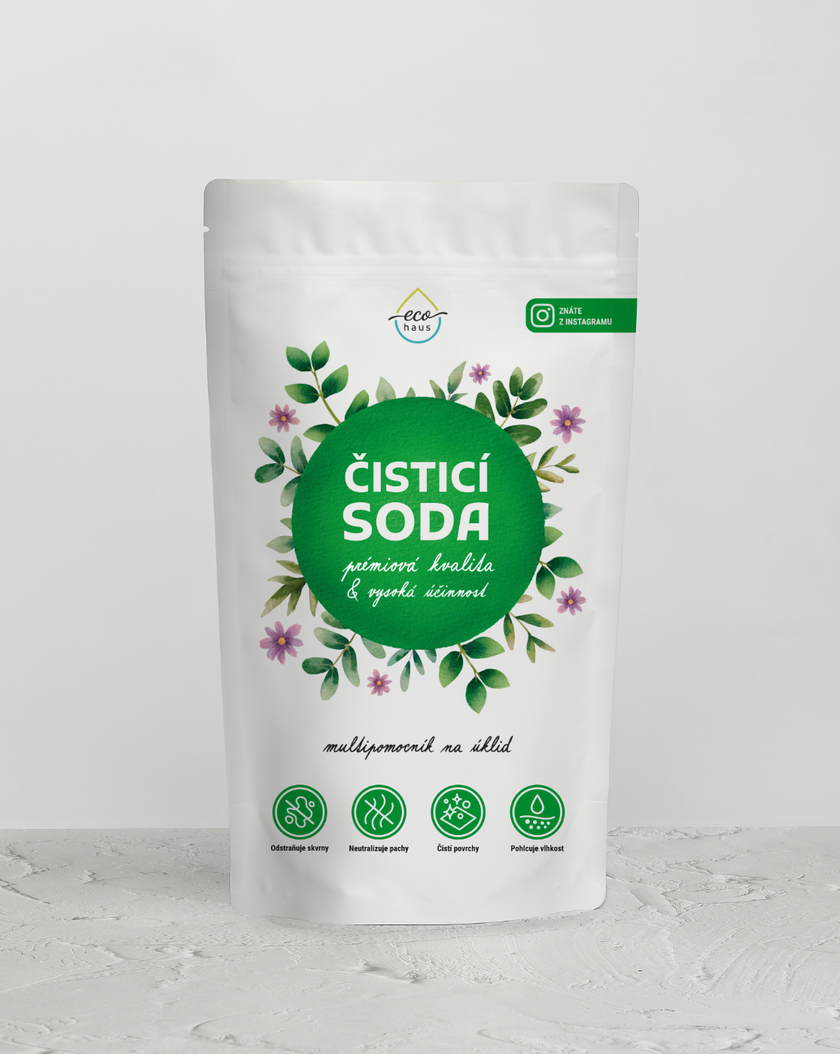
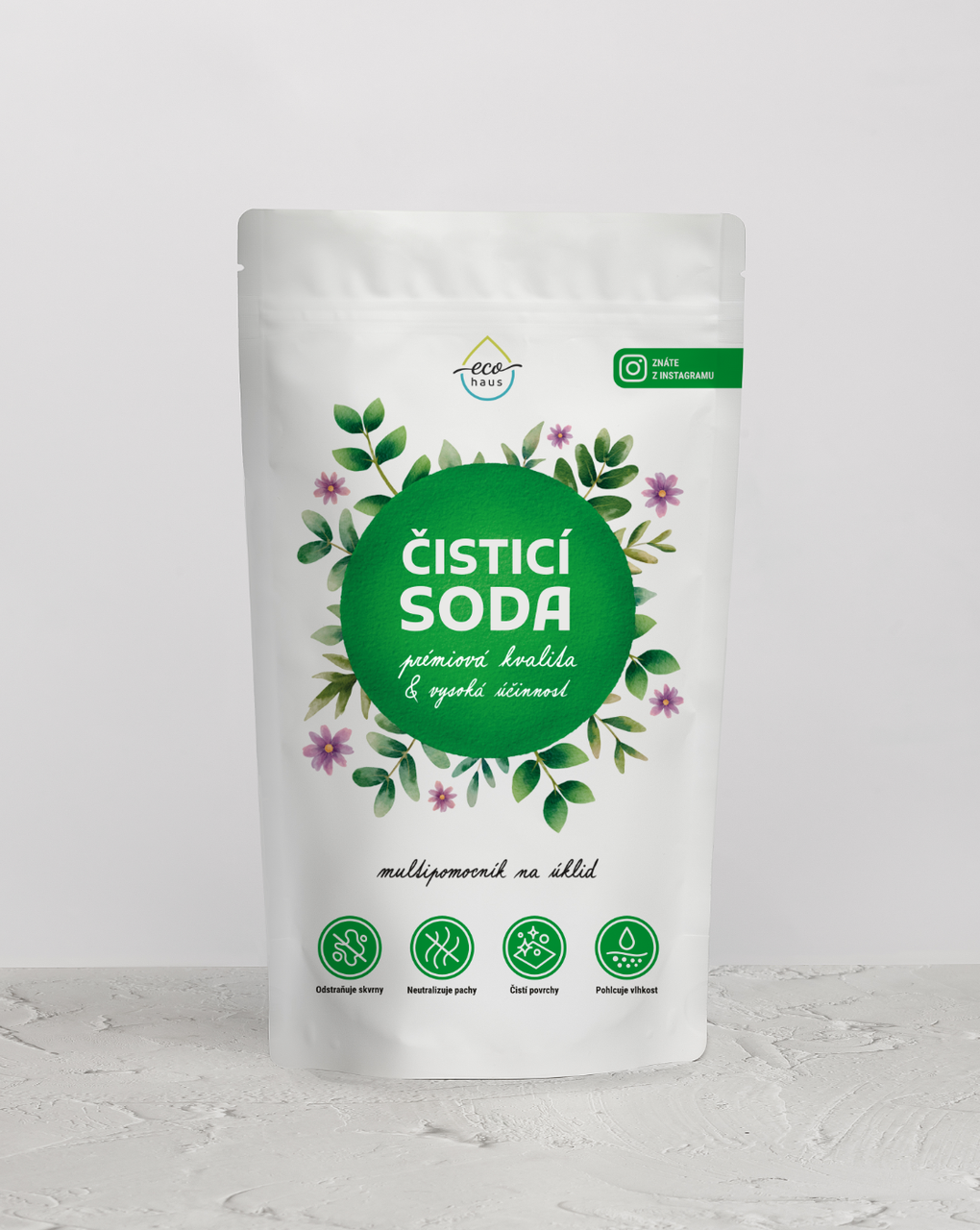
Cleaning Soda - The Universal Cleaning Genius
Need to remove grease or odour? Cleaning soda will do it for you - naturally and effortlessly.
What soda will help with: Removes stains, neutralizes odors, cleans surfaces, absorbs moisture, removes grease.
On what surfaces it can: Sinks, bathtubs, ovens, grills, refrigerators.
Which surfaces must not be used: Sensitive surfaces such as aluminium (with heavy scrubbing).
Something to mix it with: With dishwashing detergent (paste), essential oils.
What not to mix it with: With citric acid and vinegar (neutralization), chlorine-based bleach.
Proven recipes and combinations with cleaning soda
- Paste for grease and deposits: Cleaning soda + dish detergent 1:1 + a little water.
- Refresher: Soda + a few drops of essential oil.
- Odor absorption: Put the soda in a cloth bag (about 1-2 tablespoons) or in an open bowl. You can also sprinkle a few drops of essential oil in your shoes and then pour or vacuum.
White vinegar - Unstoppable against limescale and odour
White vinegar is a powerful natural cleaner that brings shine back to the kitchen and bathroom.
What vinegar will help with: Removes limescale, neutralises odours, restores shine to surfaces, degreases and cleans appliances, softens linen.
On what surfaces it can: Glass, mirrors, washing machine (fabric softener), surfaces without rubber parts.
Which surfaces must not be used: Natural stone, aluminium, rubber seals.
Something to mix it with: Warm water, essential oils.
What not to mix it with: Chlorine bleach, hydrogen peroxide, cleaning/detergent soda.
Proven recipes and combinations with white vinegar
- Window spray: Mix 1:1 with water.
- For limescale: Use undiluted white vinegar – ideally, hold it in place with a cloth. Use it in the washing machine sparingly due to the risk of damaging the seals – otherwise, about one measuring cup per wash cycle in the fabric softener compartment is enough.
- Effective homemade cleaner: Mix vinegar with water in a 1:2 ratio and apply directly to the dirty surface. Leave for a few minutes, then rinse or wipe off. It also cuts through grease.
- Soft, fresh-smelling towels: Pour vinegar (about 100 ml per 4–5 kg of laundry) into the fabric softener compartment.
- Sparkling shower enclosure: Spray with vinegar, leave for a few minutes, then rinse.
- Shiny, odor-free fridge: Wipe with a solution of vinegar and water, and odors will disappear in no time.
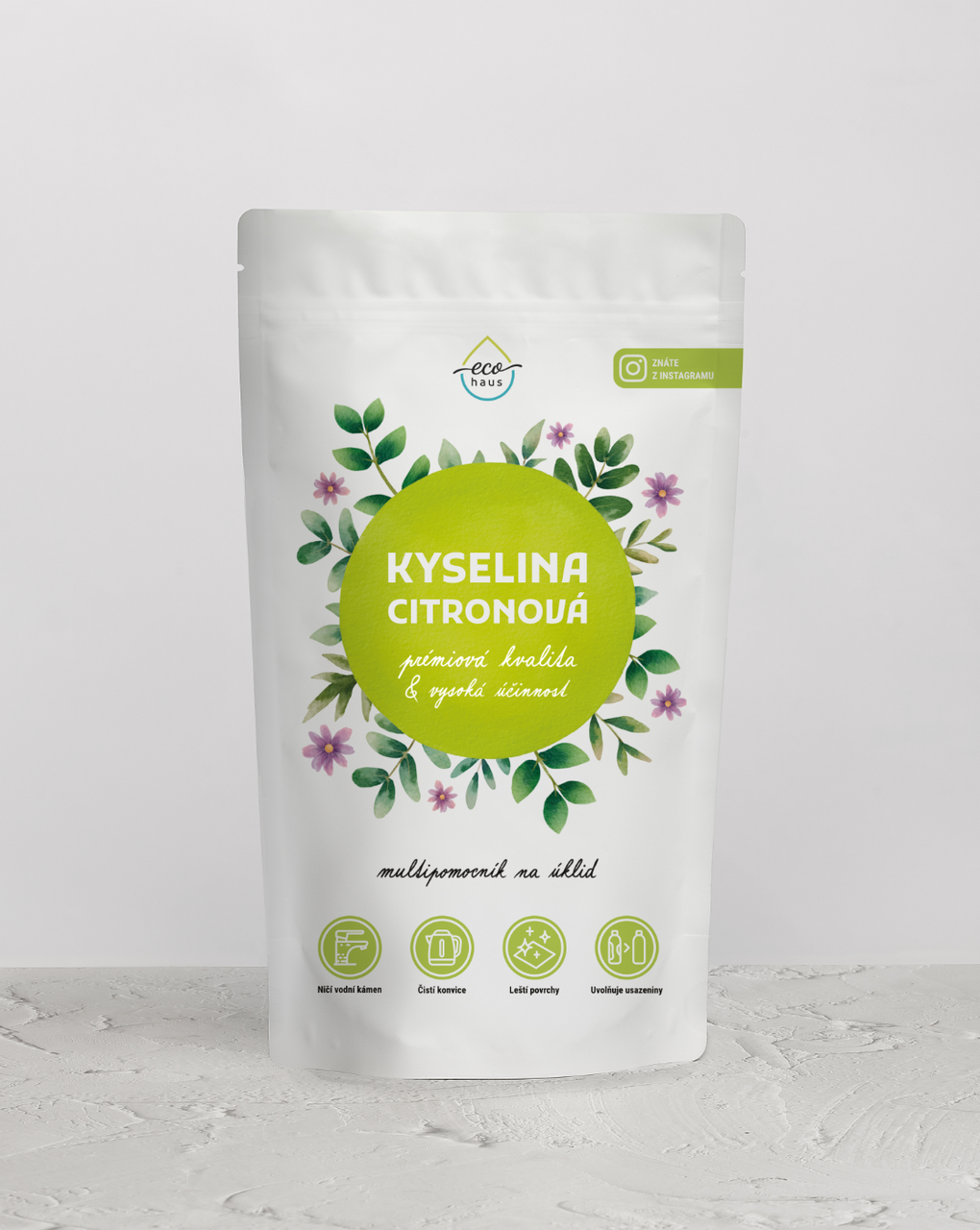
Citric Acid - Natural descaler
Citric acid is a powerful but natural weapon against deposits, limescale and rust.
What the acid will help with: Kills limescale, cleans kettles, polishes surfaces, loosens deposits, cleans rust.
On what surfaces it can: Coffee maker, kettle, toilet, showers, glassware.
Which surfaces must not be used: Marble, stone, concrete, aluminium.
Something to mix it with: Warm water, essential oils.
What not to mix it with: Bleach, vinegar, hydrogen peroxide, cleaning/detergent soda.
Proven recipes and combinations with citric acid
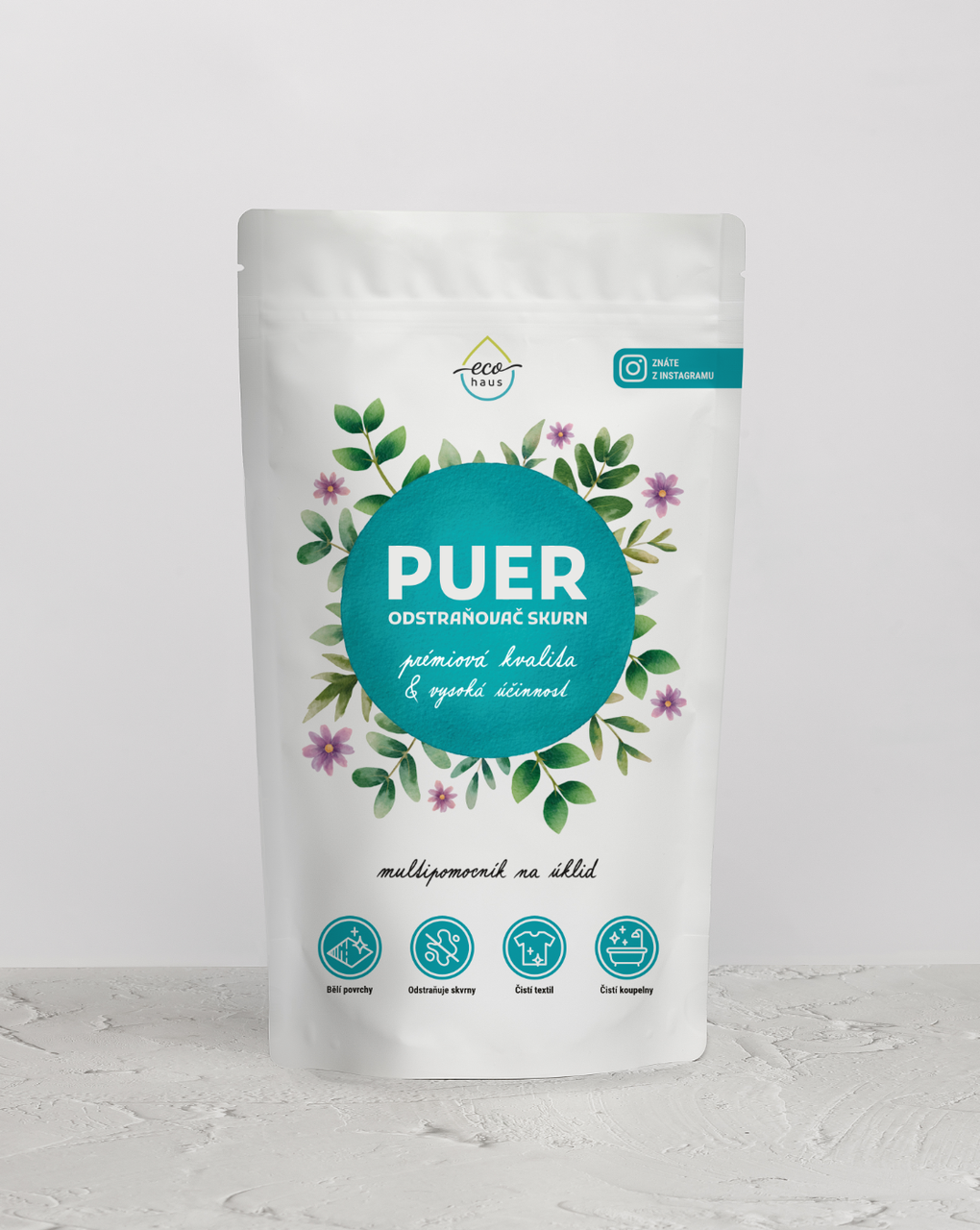
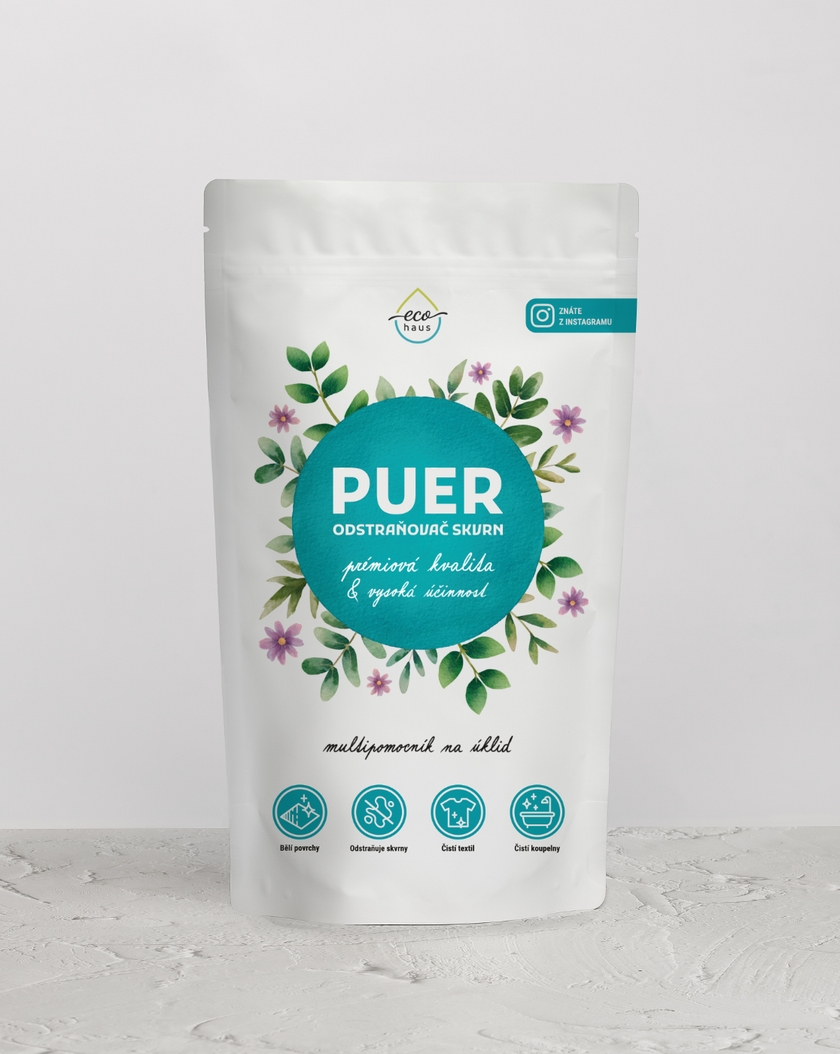
Sodium Percarbonate - Stain Remover, the power of active oxygen
Proven recipes and combinations with sodium percarbonate
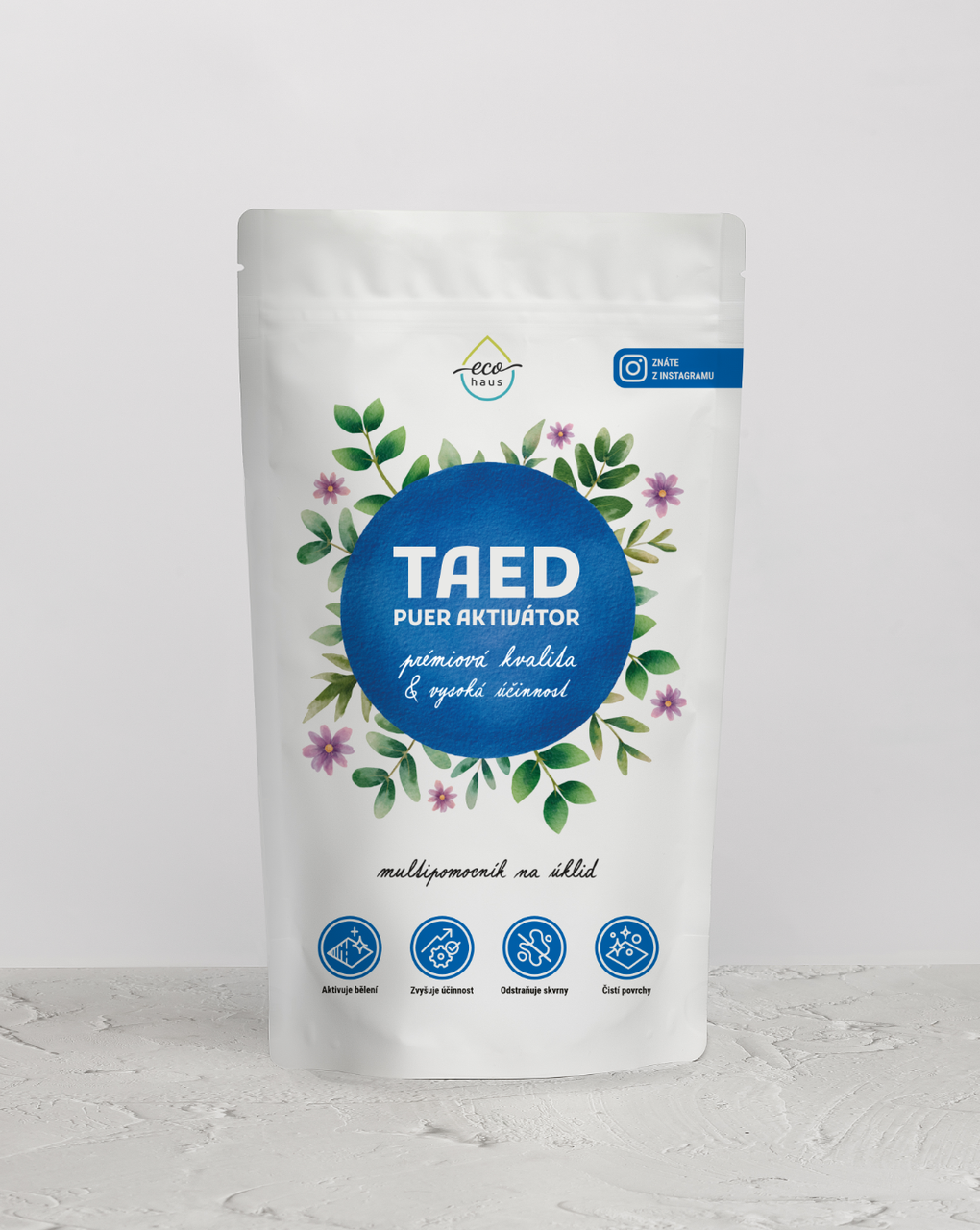
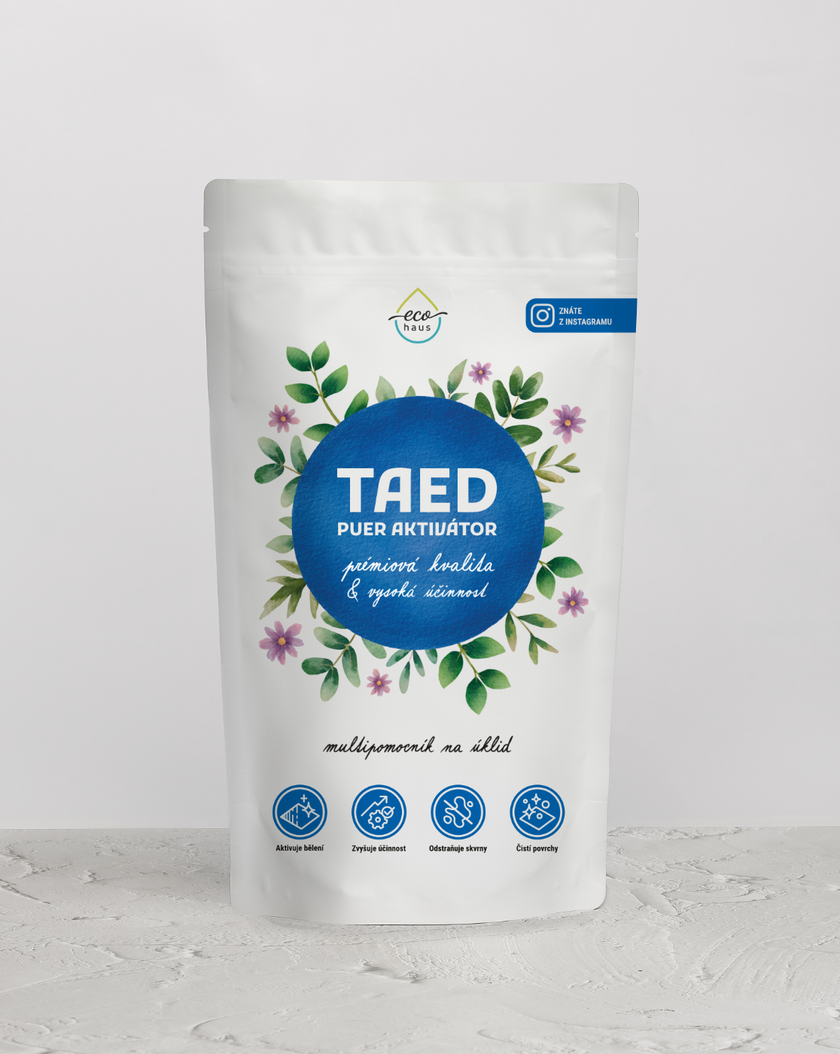
TAED Percarbonate Activator – Eco-Friendly Bleaching at Low Temperatures
Want to bleach even at low temperatures? TAED activates PUER from just 30 °C – keeping your laundry brilliantly clean.
What TAED helps with: Activates sodium percarbonate for bleaching at just 30–40 °C, boosts effectiveness, removes stains, and cleans surfaces.
What to mix it with: Sodium percarbonate.
What not to mix it with: Ineffective without percarbonate.
Proven recipes and combinations with TAED
Bleaching with percarbonate: Add half a teaspoon of TAED and 2 tablespoons of percarbonate to the detergent compartment. Works with percarbonate at just 30–40 °C.
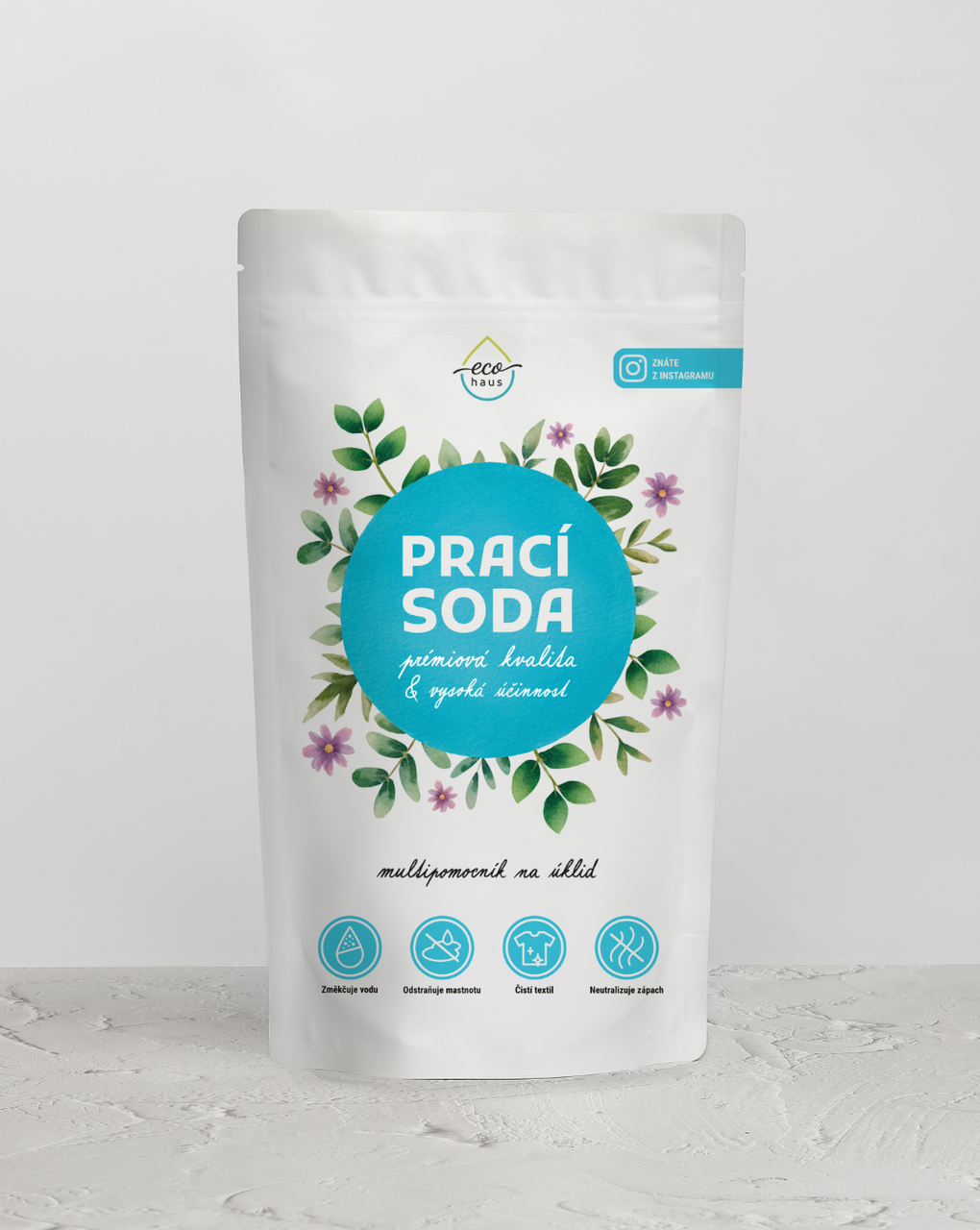
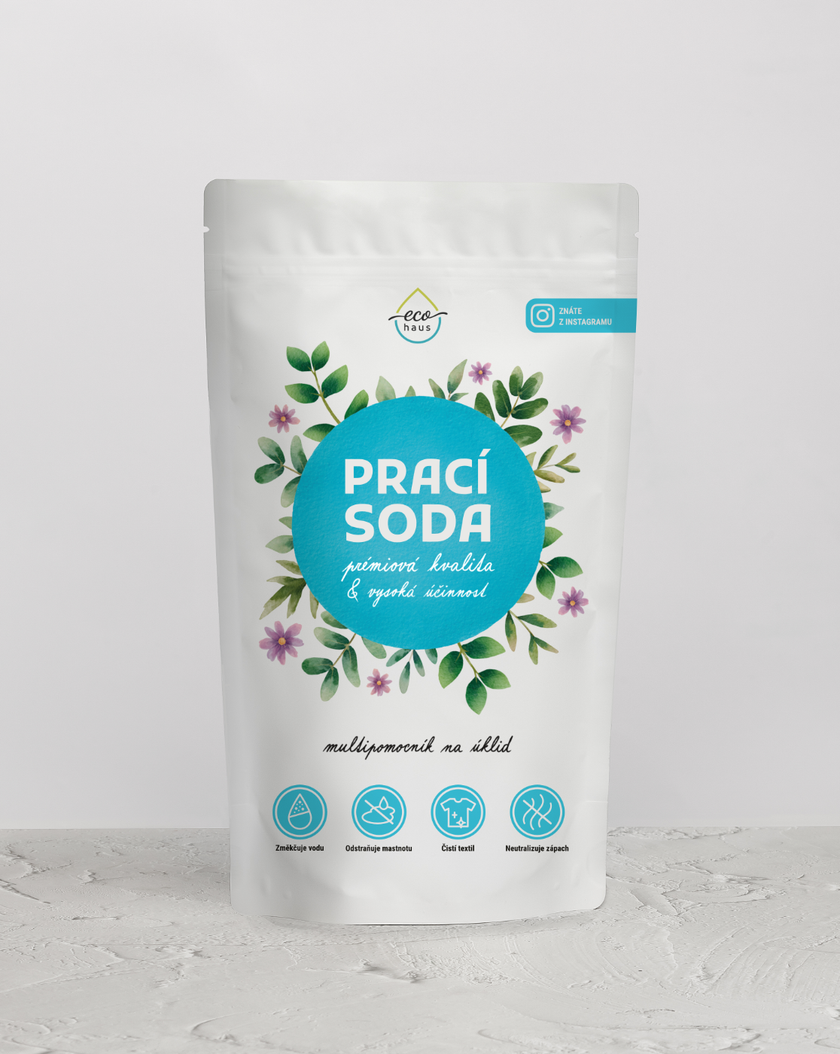
Washing Soda – The Master of Water Softening and Stain Removal
Boost your detergent’s effectiveness and get rid of stains – washing soda is the key to successful laundry every time.
What washing soda helps with: Softens water, removes grease, cleans textiles, neutralizes odors.
Suitable surfaces: Laundry.
Surfaces to avoid: Delicate surfaces, enzymatic substances.
What to mix it with: Marseille soap, sodium percarbonate.
What not to mix it with: Acids, chlorine, enzymes.
Proven recipes and combinations with baking soda
- For washing greasy dish towels: Add 2 tablespoons to the washing machine drum and run a cycle at 60 °C.
- For better washing results: Add 1–2 tablespoons of washing soda to the detergent for improved cleaning and stain removal.
- Making your own laundry detergent: Finely grate natural olive oil soap and carefully mix it with washing soda in a 1:4 ratio. Store the mixture in a sealed container. The recommended dose is 2 tablespoons per 5 kg of laundry.
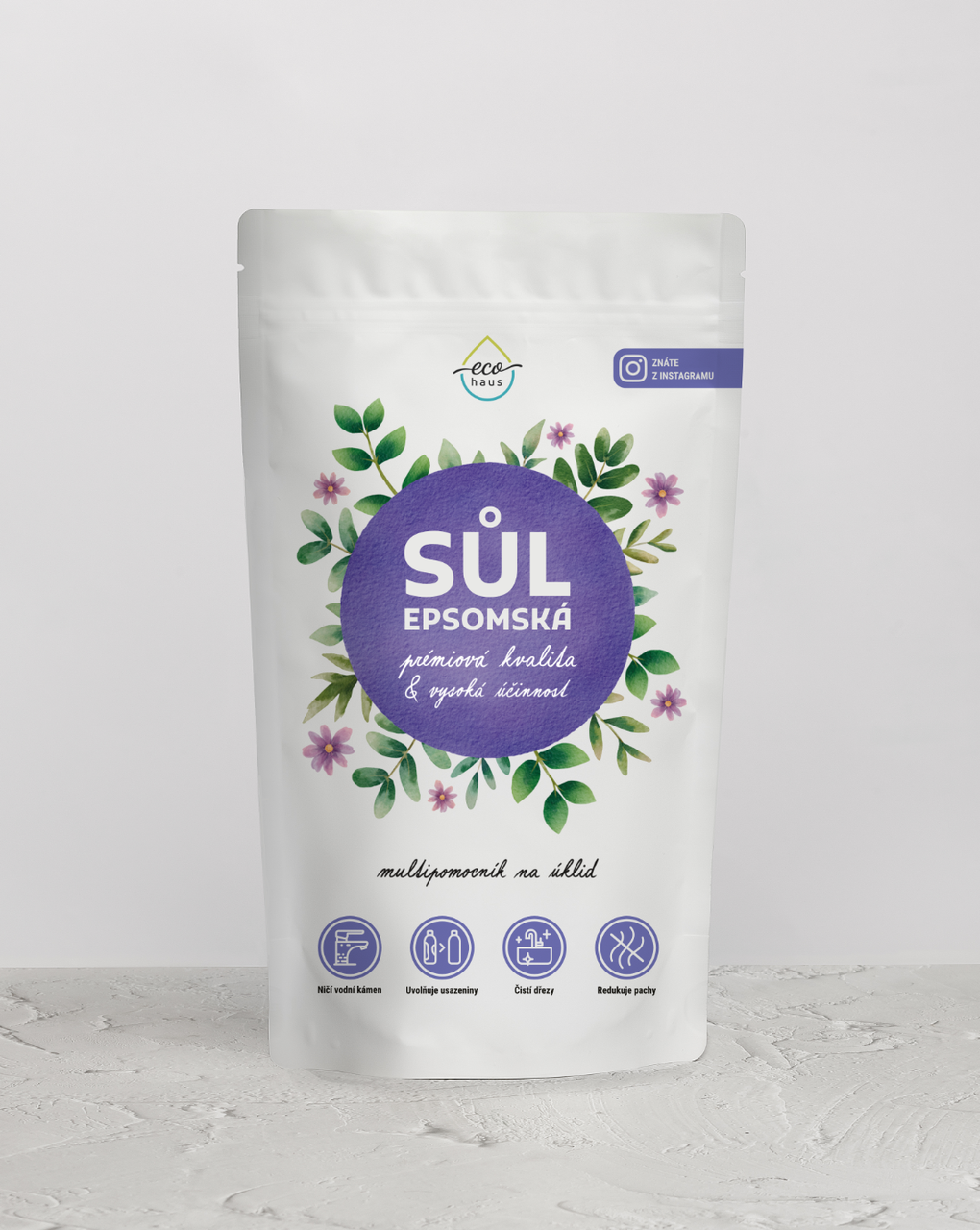
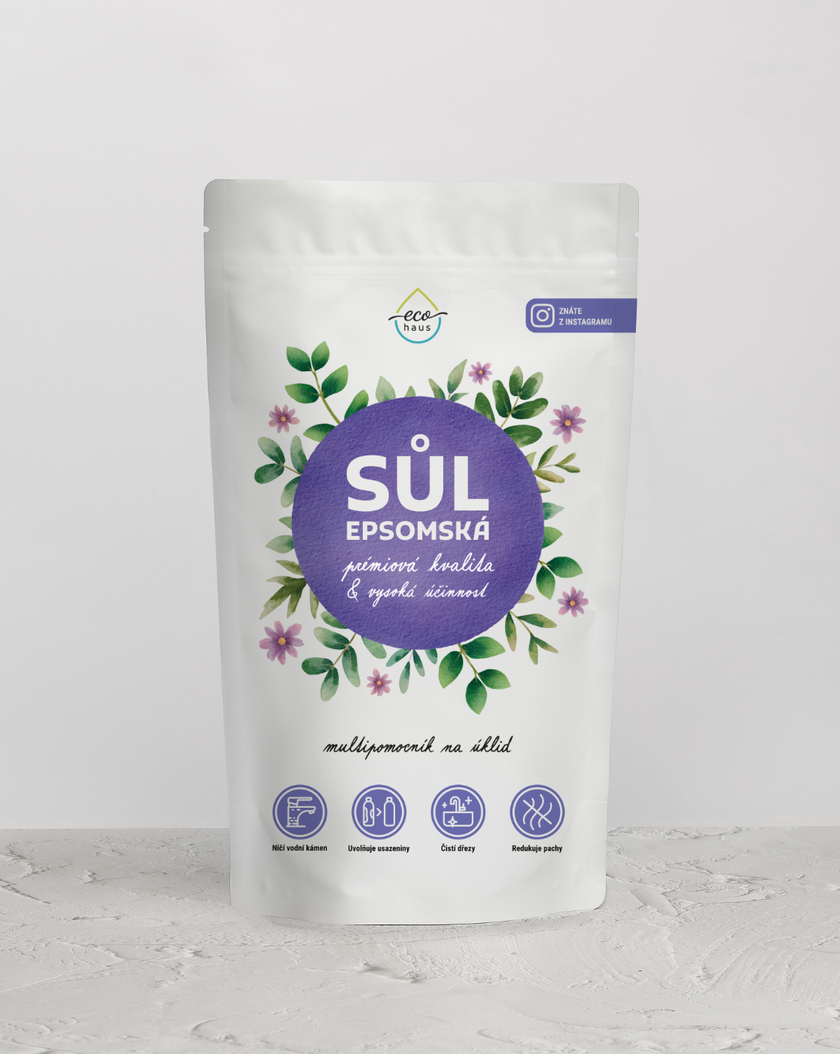
Epsom Salt – Smart Cleaning Without Compromise
Limescale, odors, and clogged drains? Epsom salt is a natural solution that really works.
What it helps with: Removes limescale, loosens deposits, cleans sinks, reduces odors, and cleans tiles, grout, stainless steel, and trash cans.
Surfaces it can be used on: Bathtubs, sinks, kitchen countertops.
Surfaces to avoid: Do not combine with soap (it creates a gray film).
What to mix it with: Warm water, dish soap, essential oils.
What not to mix it with: Vinegar, acids, baking soda, soap.
Proven recipes and combinations with Epsom salt
- Cleaning paste for bathtubs, sinks, tiles, or the kitchen: Mix Epsom salt and dish soap in a 1:1 ratio.
- For limescale: Dissolve the salt in water, apply the mixture to the affected areas, and hold it in place with a cloth.
- Cleaning drains: Pour a handful of salt directly down the drain, flush with hot water, and leave for several hours.
- Neutralizing unpleasant odors: Sprinkle salt over the bottom of the trash can.
Hydrogen Peroxide – A Gentle Cleaner with Whitening Power
Hydrogen peroxide is an effective cleaning agent suitable for the entire home, from removing stains to cleaning grout.
What hydrogen peroxide can help with: Whitens fabrics, removes stains, cleans bathrooms, whitens grout and corners, disinfects, fights mold.
Surfaces it can be used on: Grout, toilets, toothbrushes (for disinfection), white laundry.
Surfaces it must not be used on: Colored laundry, in combination with acids.
What to mix it with: Cleaning soda (use immediately), essential oils, mild surfactants.
What not to mix it with: Vinegar, citric acid, chlorine, soda (for extended periods).
Proven recipes and combinations with hydrogen peroxide
- Grout paste: Baking soda + hydrogen peroxide.
- Blood stains: Pour hydrogen peroxide over the stain and leave it to work. You can also use a paste made from washing soda and hydrogen peroxide.
- Disinfection (e.g., of toothbrushes): Soak in hydrogen peroxide for 10 minutes, then rinse.
- Stain removal: Soak the fabric in cold water, apply hydrogen peroxide, leave it to work, then wash at 60 °C.
- Whitening curtains and textiles: Add hydrogen peroxide to the soaking water (approx. 100–150 ml per 3–5 l of water), leave for several hours, then wash.
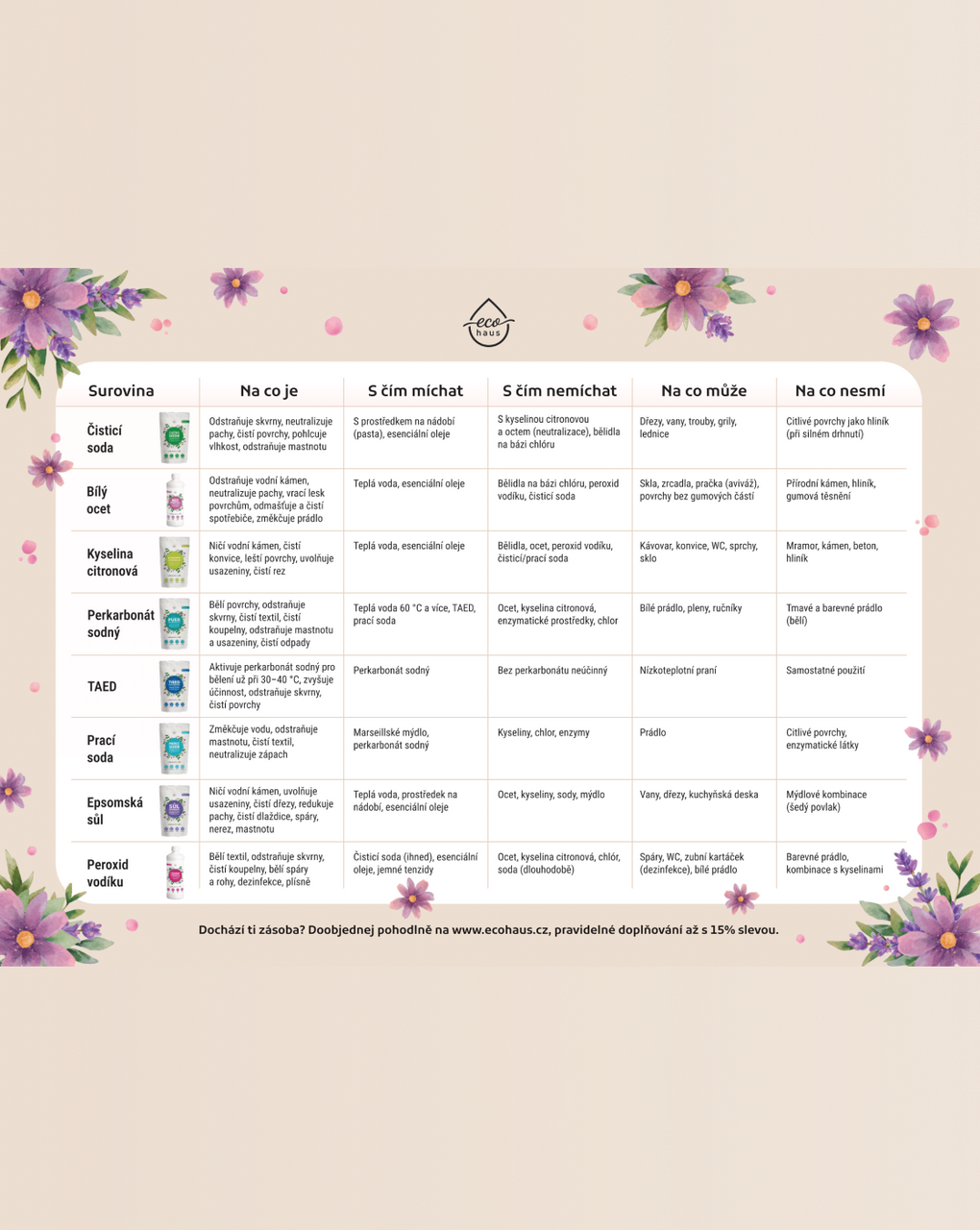
A clean home, a clear conscience, clean ingredients. And a free non-toxic cheat sheet to download.
Non-toxic cleaning isn’t a trend. It’s a return to simplicity that works. When you know what you’re using, cleaning feels easier – and more peaceful. Non-toxic ingredients can handle everything you’d normally use commercial products for.
All you need to do is learn about their properties, combinations, and a few tried-and-tested recipes. And that’s exactly where our handy non-toxic cleaning cheat sheet comes in. You can print it out, stick it on your fridge, and keep it close at hand whenever you clean.
We’re sure it’ll serve you well!
P.S. Don’t forget to check out our cleaning helpers. These practical little helpers will make cleaning even easier!
Share the article
More articles
Pre-Christmas cleaning: a clean home and time for baking
Get your home ready for Christmas without a cleaning marathon. Practical tips for laundry, kitchens, bathrooms and dust, leaving time for baking and festive films.
Read more
A Non-Toxic Home for Cancer Patients: Does It Make Medical Sense?
A non-toxic home for cancer patients: how environmental chemical exposure affects the body, why it makes sense to reduce it, and which steps are medically sound in practice.
7 tips for using citric acid in the household
Citric acid is an unsung household hero—it tackles limescale, stains, and odors while remaining kind to the environment. Its natural power makes cleaning effective without unnecessary chemicals, restoring freshness and shine to your home. Want to know all its tricks? Find out more on our blog.
Comments (0)
There are no comments on this article. Be the first to leave a comment!