

Content current as of January 14, 2026


Sodium percarbonate for laundry and cleaning: whitening and stain removal

TIP: How to wash sneakers and clean shoelaces
You can clean sneakers and shoelaces without harsh chemicals. Soak the laces in a solution of percarbonate and warm water. Meanwhile, mix baking soda with dish soap and clean the sneakers with a sponge. Then put them in a laundry bag, place them in the washing machine and add a laundry detergent sheet.
TIP: Removing stains from cleaning cloths
Cleaning cloths often stay dirty even after washing. Before washing, put them in a bucket, sprinkle them with sodium percarbonate and pour hot water over them. Use 1 to 2 tablespoons of percarbonate per 4 litres of water. Then wash the cloths in the washing machine and they will be like new again.
Products that will come in handy for cleaning up
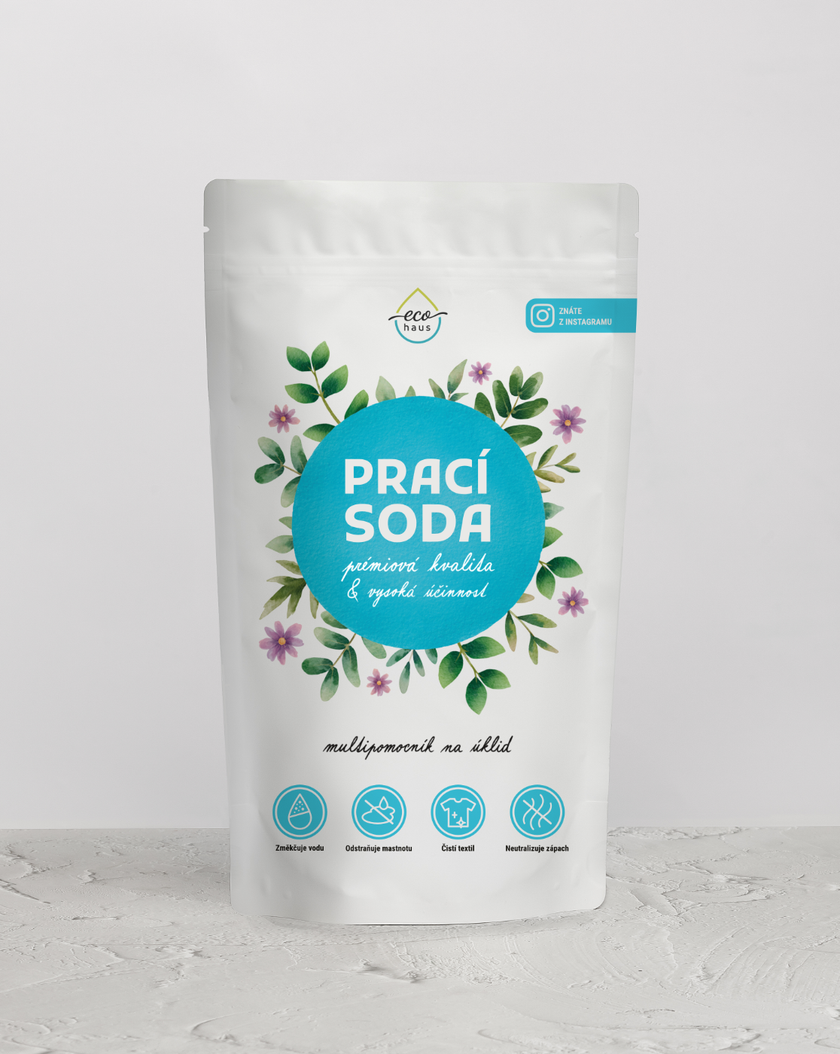
From 29,00 Kč
1.450,00 Kč/kg
EcoHaus Washing Soda – Removes grease, boosts the effectiveness of laundry detergent, and softens water
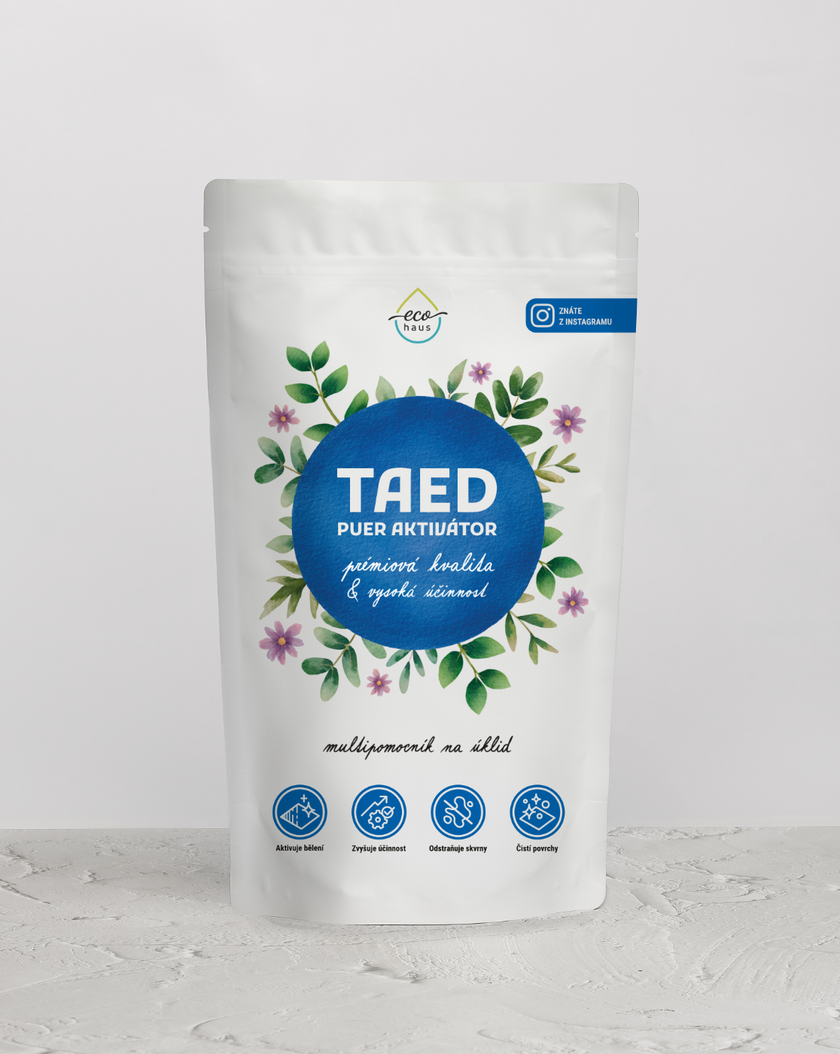
From 39,00 Kč
1.950,00 Kč/kg
TAED EcoHaus – PUER activator for whitening laundry at low temperatures



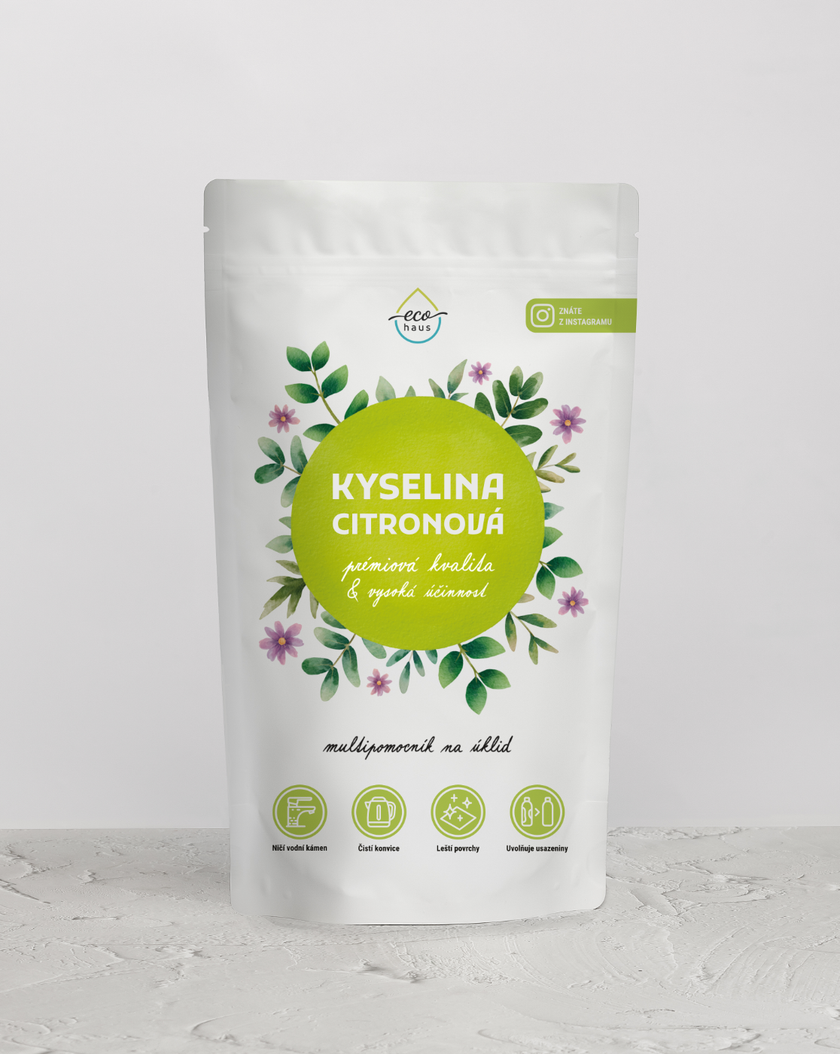
From 469,00 Kč
234,50 Kč/kg
EcoHaus Citric Acid – Removes limescale and polishes glass
289,00 Kč
289,00 Kč/pc
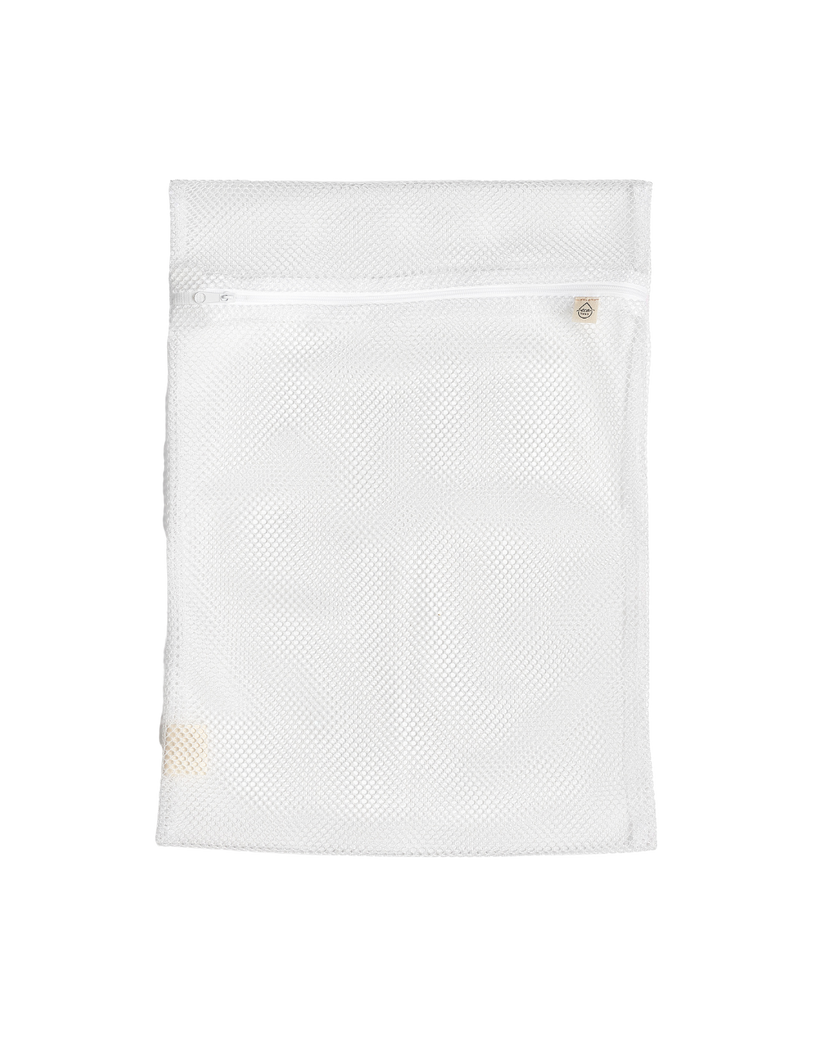
EcoHaus white laundry bag, 30 × 40 cm (S), for underwear, socks, tights and small items
319,00 Kč
319,00 Kč/pc
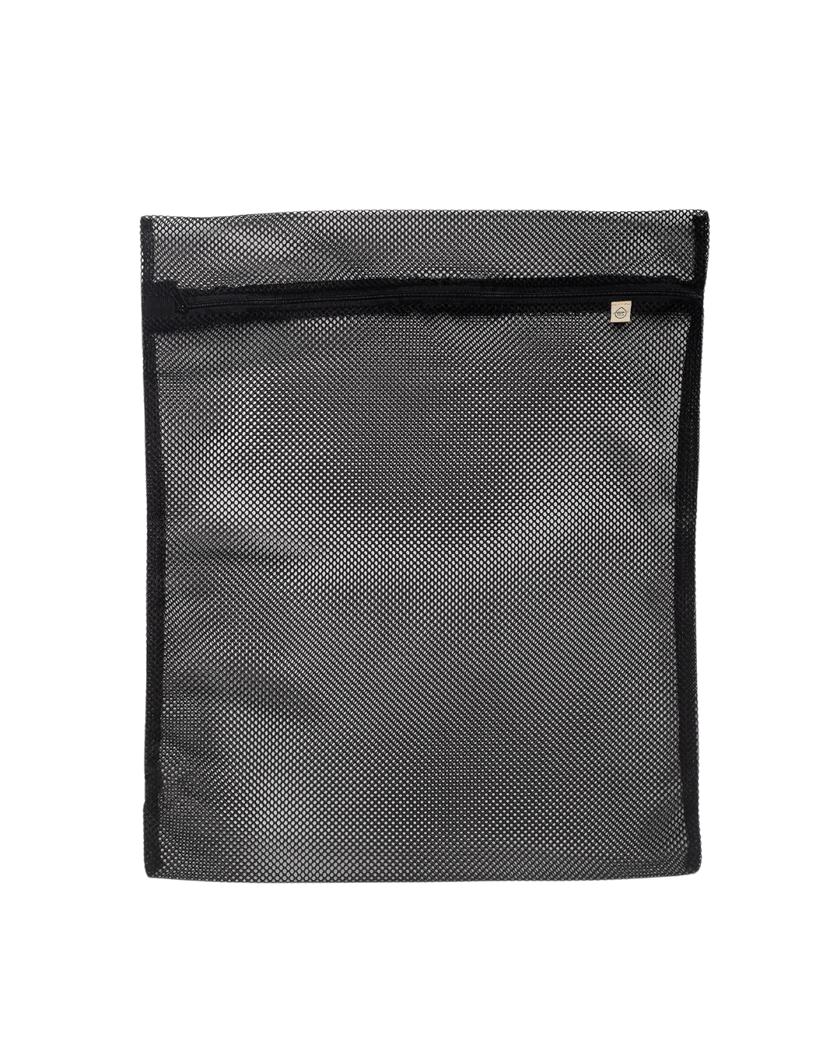
EcoHaus black laundry bag, 40 x 50 cm (M), for sweaters, T-shirts, shirts, children’s clothes, and hats


TIP: Cleaning a yellowed shower curtain
You don’t have to throw away a yellowed shower curtain right away. If it is washable, soak it in hot water with PUER, leave it to soak briefly and then wash it in the washing machine with an EcoHaus laundry detergent sheet. The active oxygen removes yellowing and odours.
TIP: Cleaning burnt baking trays and pots
Burnt cookware can be cleaned without scrubbing. Sprinkle the tray or pot with PUER, pour hot water over it and leave it until the burnt residue starts to loosen. Then rinse and finish cleaning as usual.
TIP: Cleaning dishwasher filters and screens
Clogged filters can cause odours. Remove the filters and screens, sprinkle them with PUER, pour water at about 60 °C over them, leave briefly and then rinse.
TIP: Removing food stains
Food stains need a stronger treatment. Use one scoop of PUER on the stains, pour hot water over them and then wash the laundry in the washing machine with an EcoHaus laundry detergent sheet. Use this method on white laundry only.
TIP: Cleaning the washing machine filter
Regular filter cleaning helps your washing machine work better. Remove the filter, sprinkle it with PUER, pour hot water over it, leave it to work, rinse and put it back.
TIP: Cleaning oven racks
Burnt-on grease comes off oven racks even without harsh chemicals. Sprinkle the racks with PUER, pour hot water over them and leave them to soak for at least two hours. Then rinse.
Other non-toxic cleaning products
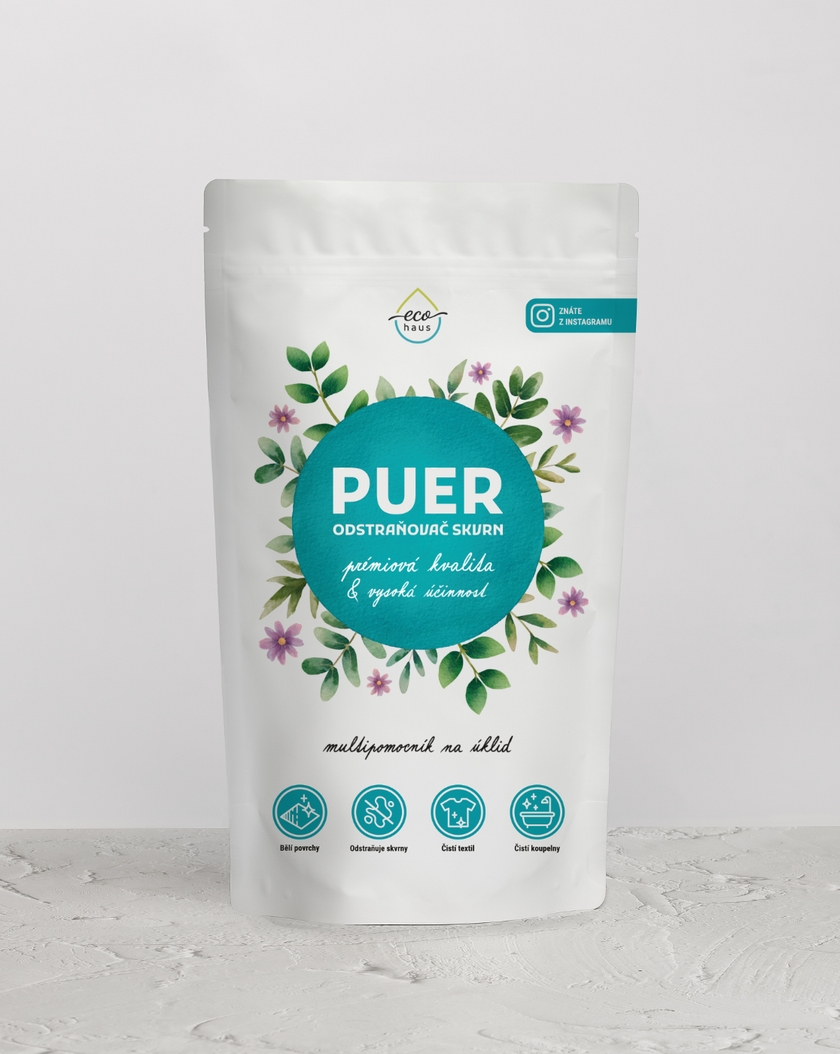
From 39,00 Kč
1.950,00 Kč/kg
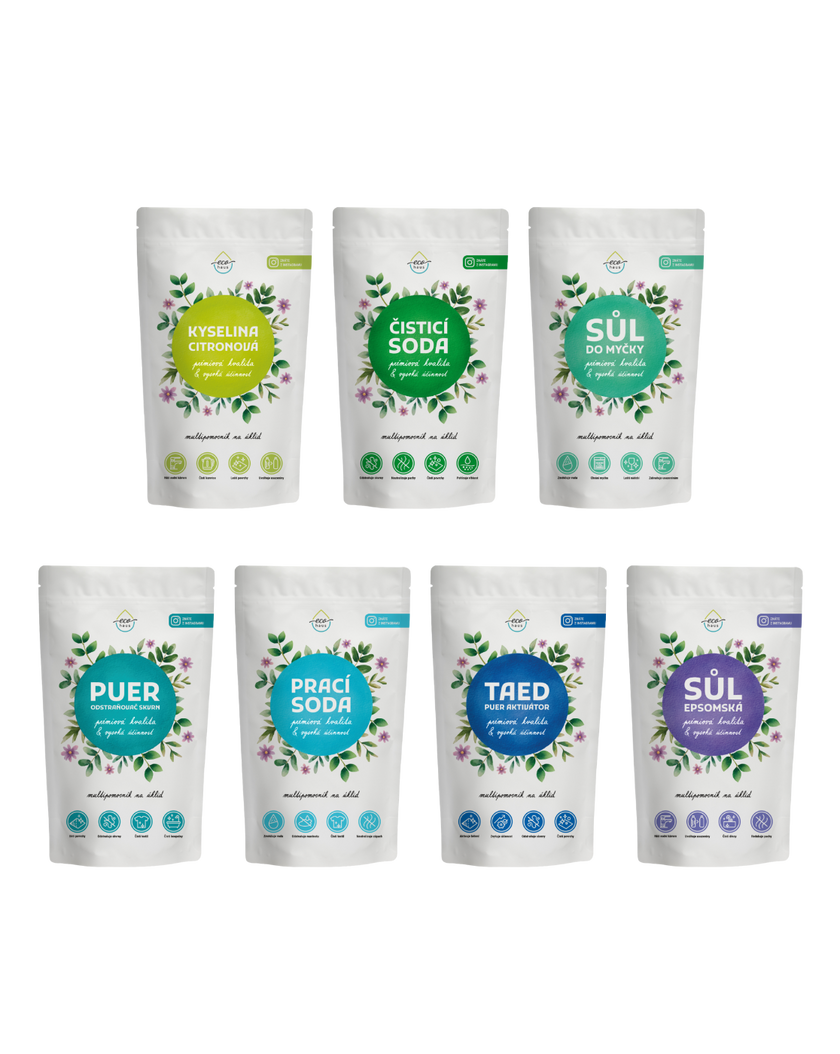
TAED EcoHaus – PUER activator for whitening laundry at low temperatures
From 29,00 Kč
1.450,00 Kč/kg
EcoHaus Washing Soda – Removes grease, boosts the effectiveness of laundry detergent, and softens water
From 469,00 Kč
234,50 Kč/kg
EcoHaus Citric Acid – Removes limescale and polishes glass
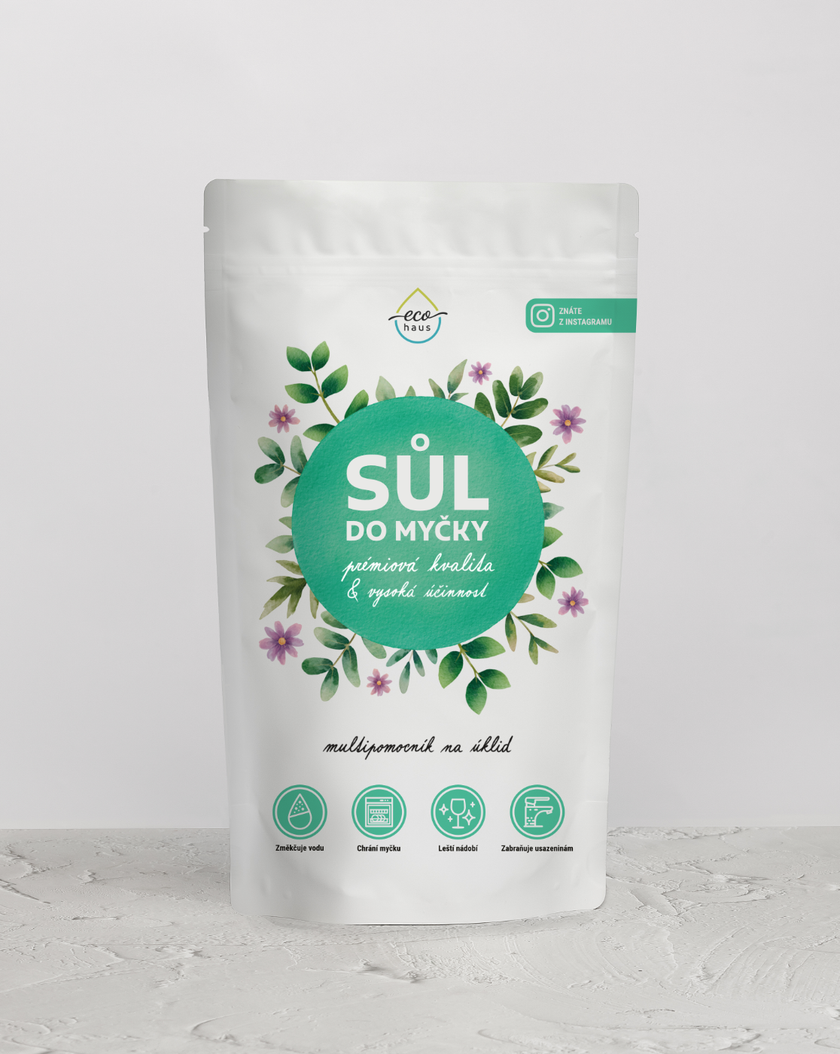
From 29,00 Kč
1.450,00 Kč/kg
EcoHaus Dishwasher Salt Tablets – For Spotlessly Clean, Shiny Dishes
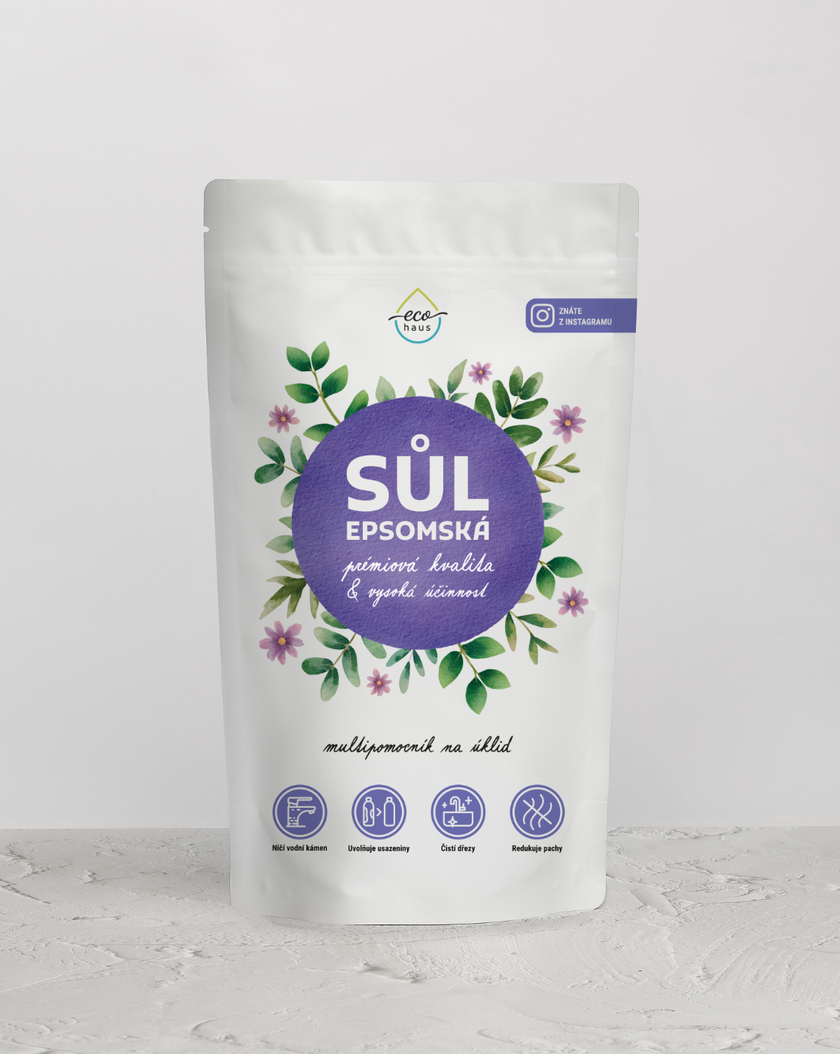
From 29,00 Kč
1.450,00 Kč/kg
EcoHaus Epsom salt — for cleaning and fertilising houseplants
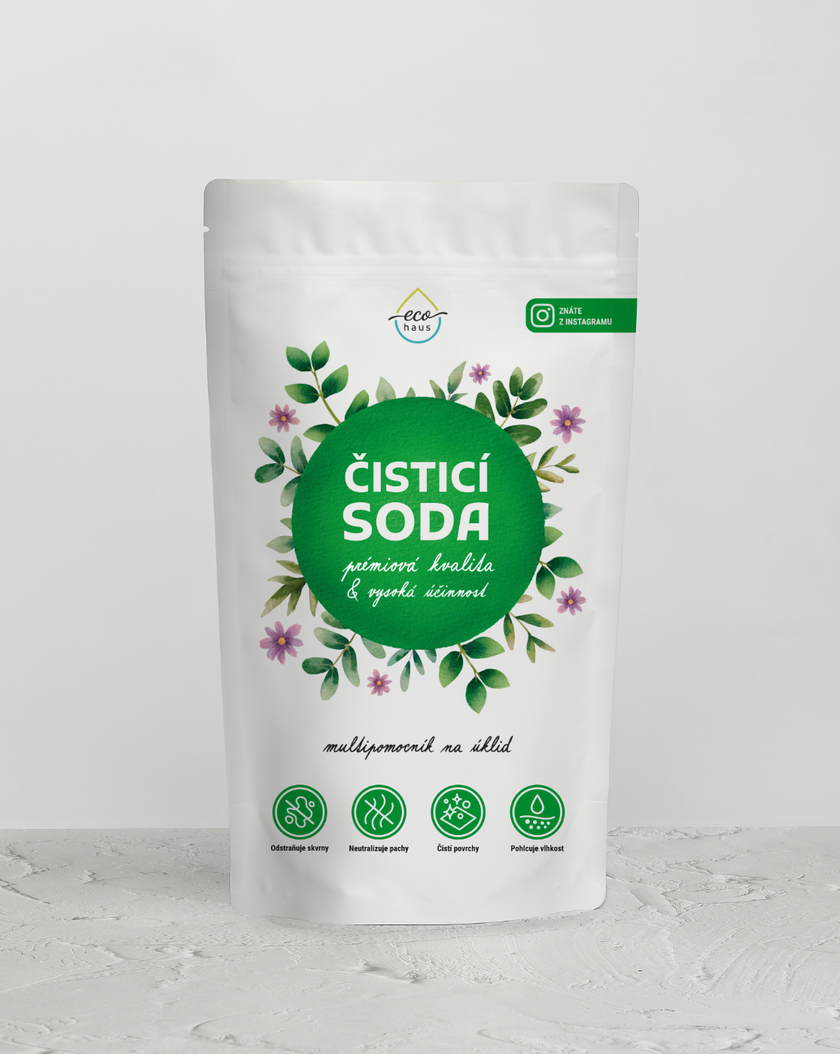
From 29,00 Kč
109,00 Kč/kg
EcoHaus Cleaning Soda – Cleans surfaces, absorbs odors, and removes greasy stains


TIP: Cleaning wooden chopping boards
Wooden chopping boards need gentle care. Lightly sprinkle the board with PUER, pour water over it and leave it for a short time only. Then wash it gently, rinse and let it dry thoroughly. Finally, you can rub the board with oil.
TIP: Dandelion stains
Dandelion stains come out mainly from white laundry. Add a piece of a laundry detergent sheet and PUER to water, soak the laundry and then wash it in the washing machine. Suitable for white laundry only.
TIP: Sweat stains
Yellowed sweat stains need active oxygen. Use a tablespoon of percarbonate on the stains, pour hot water over them, leave to soak briefly and then wash in the washing machine with an EcoHaus laundry detergent sheet.
TIP: Stains on pillows and duvets
Pillows and duvets turn yellow over time. Pour hot water over them, add PUER, leave it to work and then wash in the washing machine with an EcoHaus laundry detergent sheet.

Read this too.

Pre-Christmas cleaning: a clean home and time for baking
Get your home ready for Christmas without a cleaning marathon. Practical tips for laundry, kitchens, bathrooms and dust, leaving time for baking and festive films.
Read more




Comments (0)
There are no comments on this article. Be the first to leave a comment!